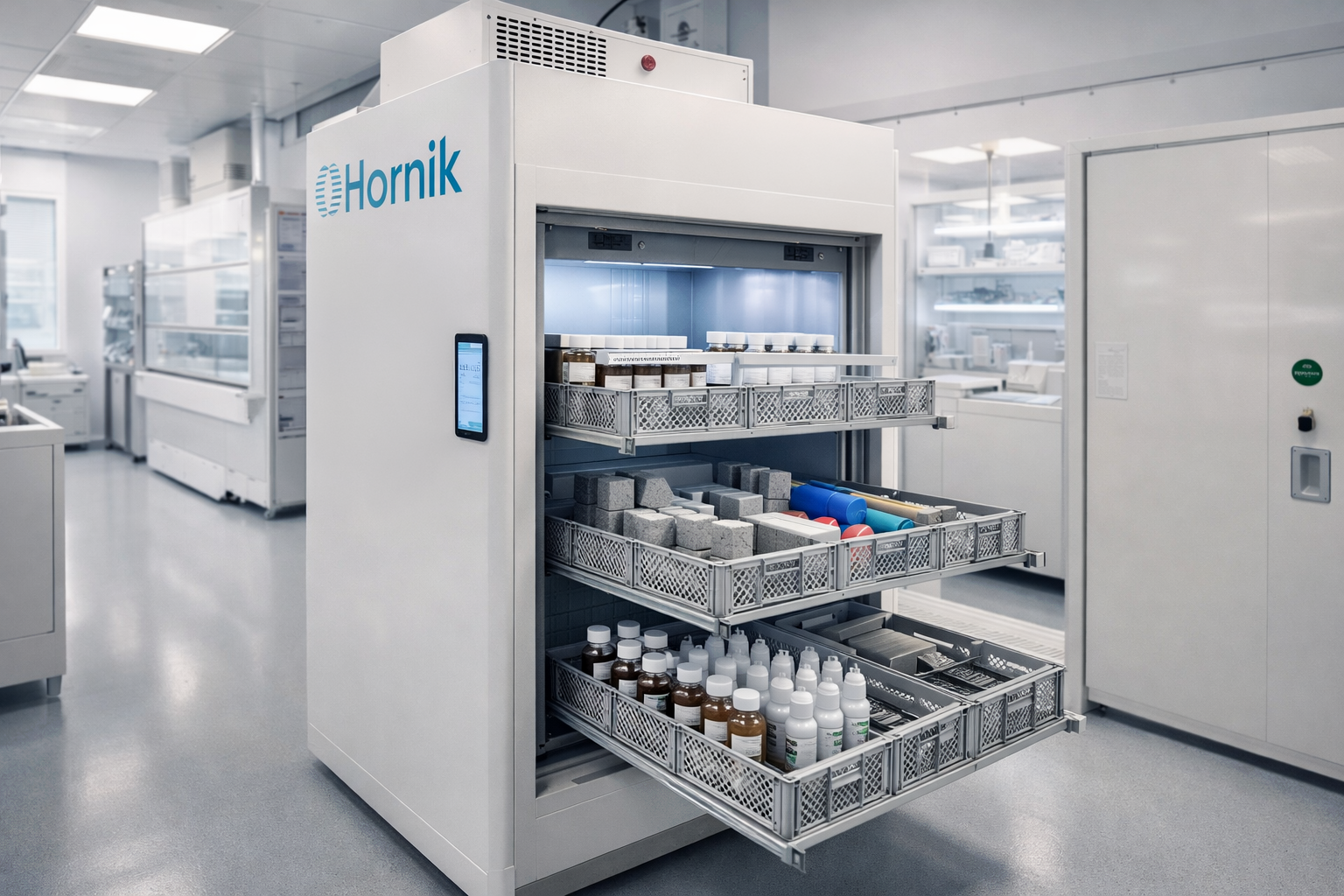
Climate chambers are key systems in environmental testing technology when products, materials, or samples need to be tested under defined climatic conditions. They specifically simulate temperature and relative humidity, thereby creating reproducible conditions for temperature and humidity testing, stability testing, material testing, and other testing tasks in laboratories, development, and quality assurance. Depending on the design, terms such as climate test chamber, climate cabinet, or test cabinet are also used.

What is a climate chamber?

A climate chamber is a technical system that allows defined environmental conditions to be set in the test space and maintained over a specified period of time. The main focus is usually on temperature and relative humidity. This makes it possible to understand how test samples behave under constant or specifically defined climatic conditions. This is an essential basis for reliable results, especially in shelf-life studies, stability studies, and material-related testing.

In common usage, the terms climate chamber, climate test chamber, climate cabinet, and constant climate cabinet are sometimes used synonymously. The term climate cabinet is often used more for compact units, while climate chamber may also refer to larger or walk-in solutions. When temperature and humidity are maintained at a defined level over a longer period of time, the laboratory environment typically refers to this as a constant climate.

Design and operating principle of climate chambers

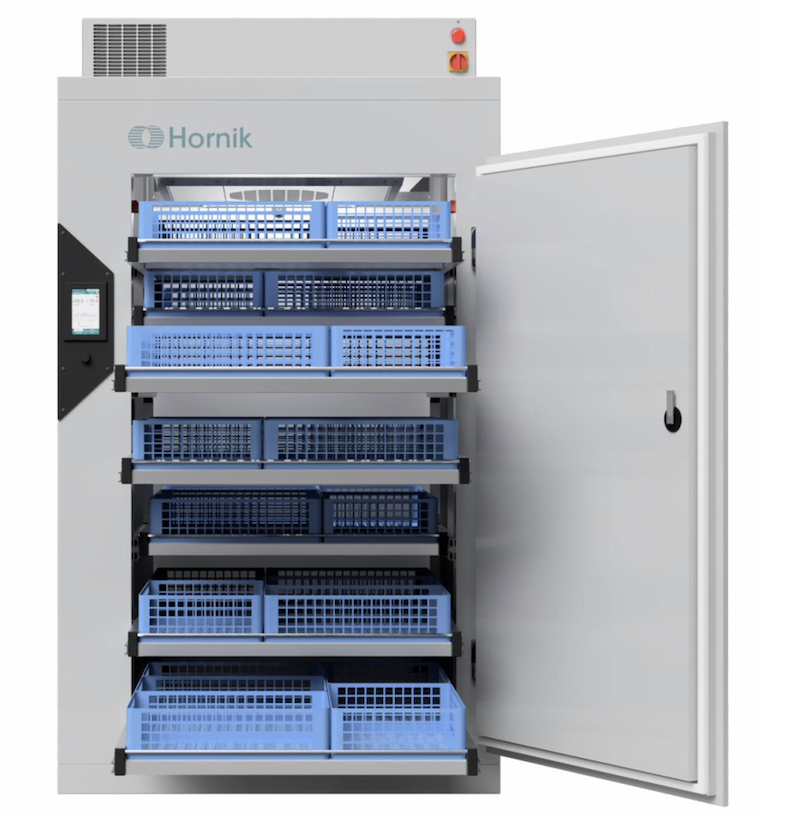
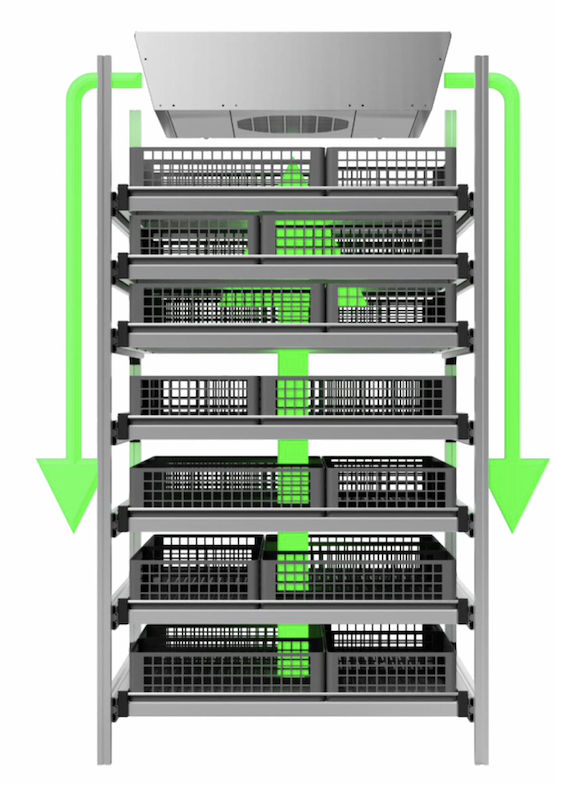
The typical design of a climate chamber consists of an insulated test space, a system for heating, cooling, and humidifying or dehumidifying, an air circulation system with recirculated air, sensors for temperature and humidity, and a control and operating unit. Only the interaction of these components makes it possible not only to generate climatic conditions, but also to maintain them precisely.

For meaningful test results, it is crucial that the climate inside the chamber remains stable over time and as spatially homogeneous as possible. Reliable control, traceable monitoring, and user-friendly operation are equally important. In practice, this means that it is not only the setpoints that matter, but also uniform air distribution, precise sensors, and proper documentation of the test conditions.
Key criteria when selecting a climate chamber

Which climate chamber makes sense depends heavily on the task. Relevant factors include the required usable volume, accessibility of the test space, stability of temperature and humidity, ease of operation, options for monitoring and alarm functions, and integration into existing laboratory and testing processes. For some applications, a compact climate cabinet is sufficient; for others, walk-in or modular climate test chambers are the better solution.

Especially in the B2B environment, practical criteria also play a major role. These include the use of laboratory floor space, access to many samples at the same time, ease of maintenance of the system, and how well the climate chamber can be adapted to spatial or process-related requirements. In tests with high sample density or long running times, the right design can make a decisive difference in day-to-day operation.

Benefits for quality assurance, development, and testing

Climate chambers help companies evaluate products and materials under reproducible conditions. This is important in order to compare variants, identify weaknesses at an early stage, and carry out tests under realistic storage, transport, or operating conditions. In product development, such tests provide robust data for design and optimization. In quality assurance, they help demonstrate consistent product properties and assess deviations in a traceable manner.

For testing and laboratory processes, this means greater reliability in evaluation and greater transparency in documentation. Whether material behavior, resistance to moisture, long-term storage under constant climate conditions, or targeted temperature and humidity testing, the climate chamber is a key tool whenever environmental influences need to be investigated systematically.

Applications

Climate chambers are used wherever products, materials, or components need to be evaluated under defined temperature and humidity conditions. Typical applications include stability testing, material testing, long-term storage under constant climate conditions, and investigations into behavior during transport, storage, and use. In many companies, such tests are an integral part of development, release, and quality processes.

For Hornik GmbH, the focus is clear: the priority is ICH stability testing of pharmaceuticals as well as testing material behavior under highly precise temperature and humidity conditions. This means the systems are designed in particular for tasks in which constant climatic conditions must be reliably provided over defined periods of time.

Typical fields of application include, for example:

  • Stability testing under constant temperature and humidity conditions in order to assess changes over defined periods of time in a traceable way.
  • Material testing and testing of material behavior under controlled climatic conditions.
  • Temperature and humidity testing in development and laboratory environments in order to compare products under reproducible conditions.
  • Long-term investigations under constant climate conditions when consistent test conditions are essential for the validity of the results.

  • ICH stability testing of pharmaceuticals with walk-in or Slide.In solutions from Hornik.
Product added to wishlist