Design and operating principle of climate chambers
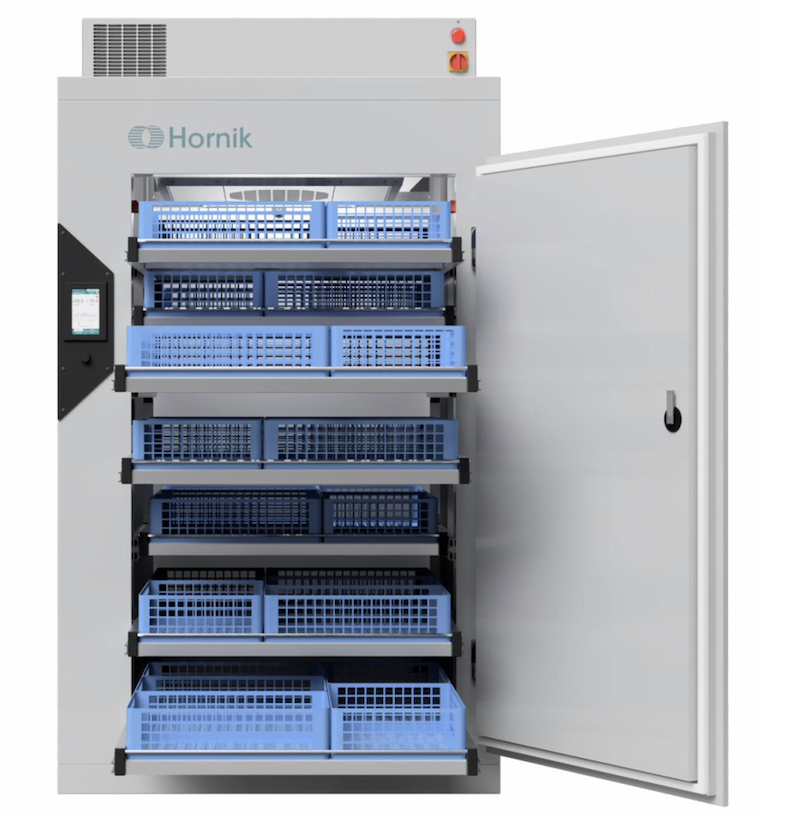
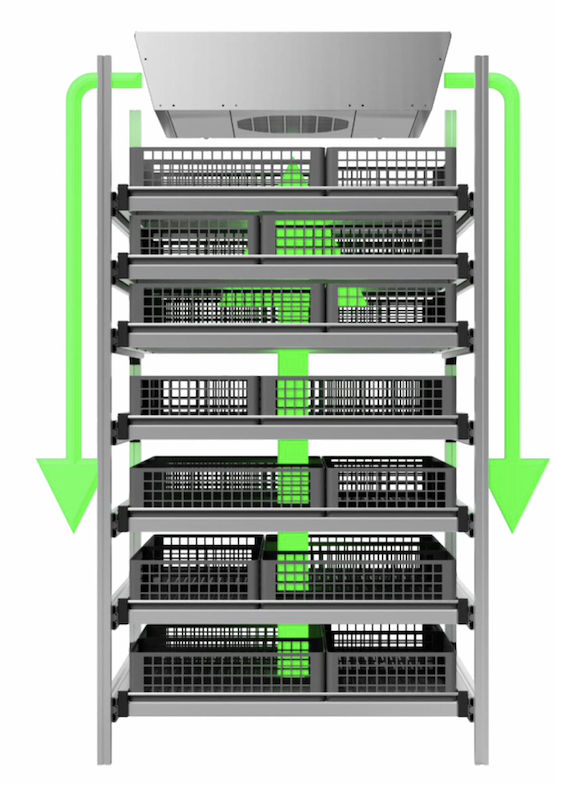
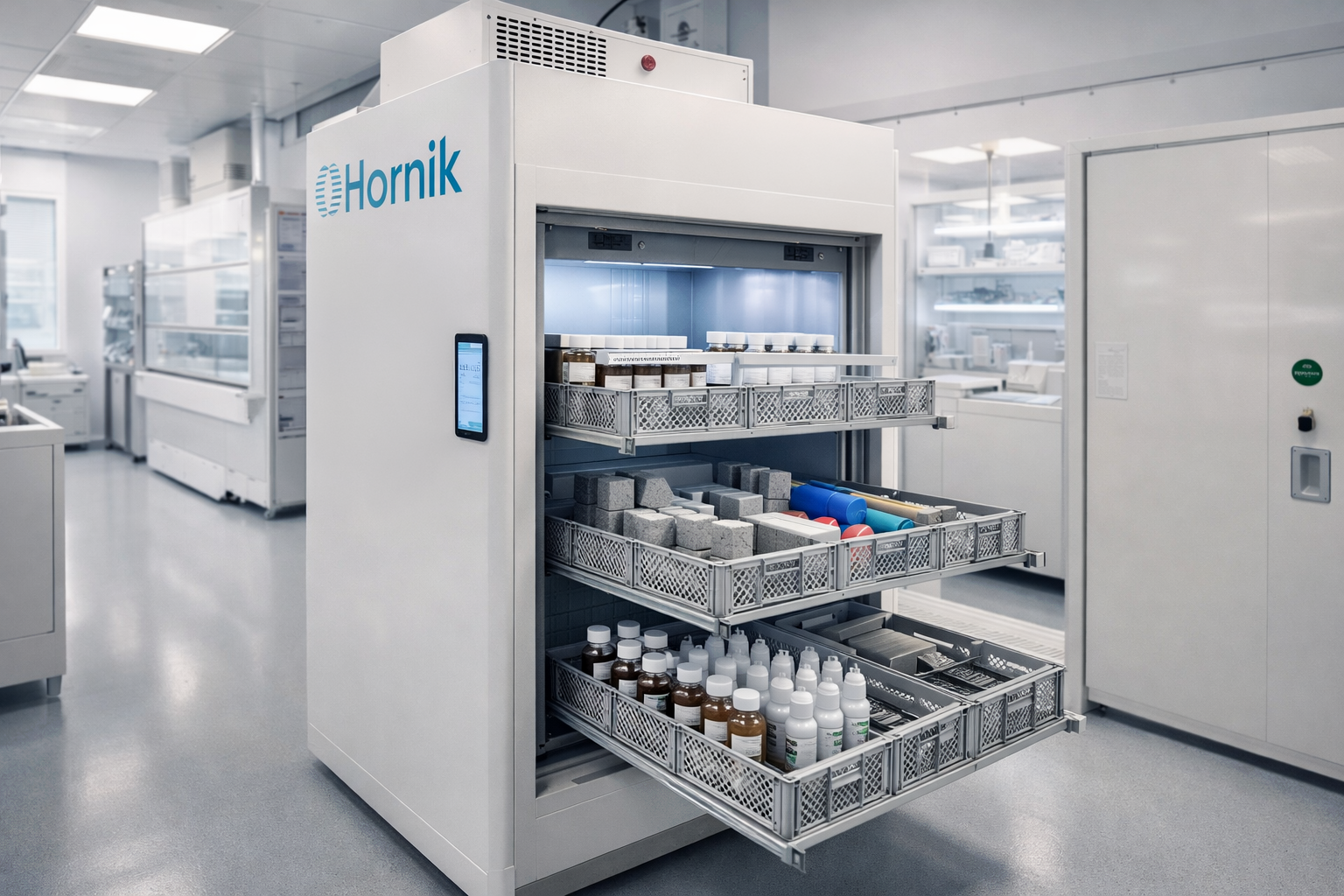
The typical design of a climate chamber consists of an insulated test space, a system for heating, cooling, and humidifying or dehumidifying, an air circulation system with recirculated air, sensors for temperature and humidity, and a control and operating unit. Only the interaction of these components makes it possible not only to generate climatic conditions, but also to maintain them precisely.
For meaningful test results, it is crucial that the climate inside the chamber remains stable over time and as spatially homogeneous as possible. Reliable control, traceable monitoring, and user-friendly operation are equally important. In practice, this means that it is not only the setpoints that matter, but also uniform air distribution, precise sensors, and proper documentation of the test conditions.